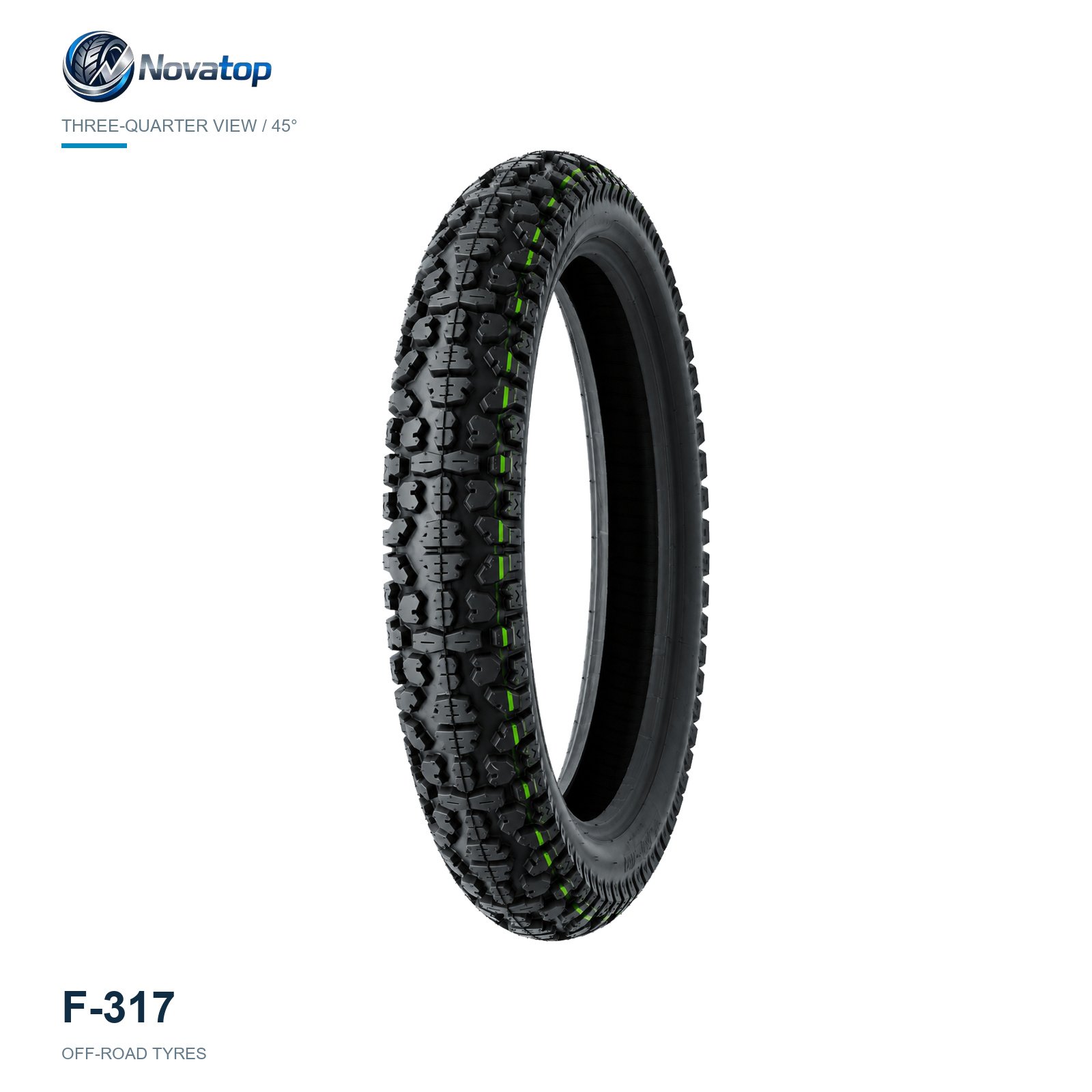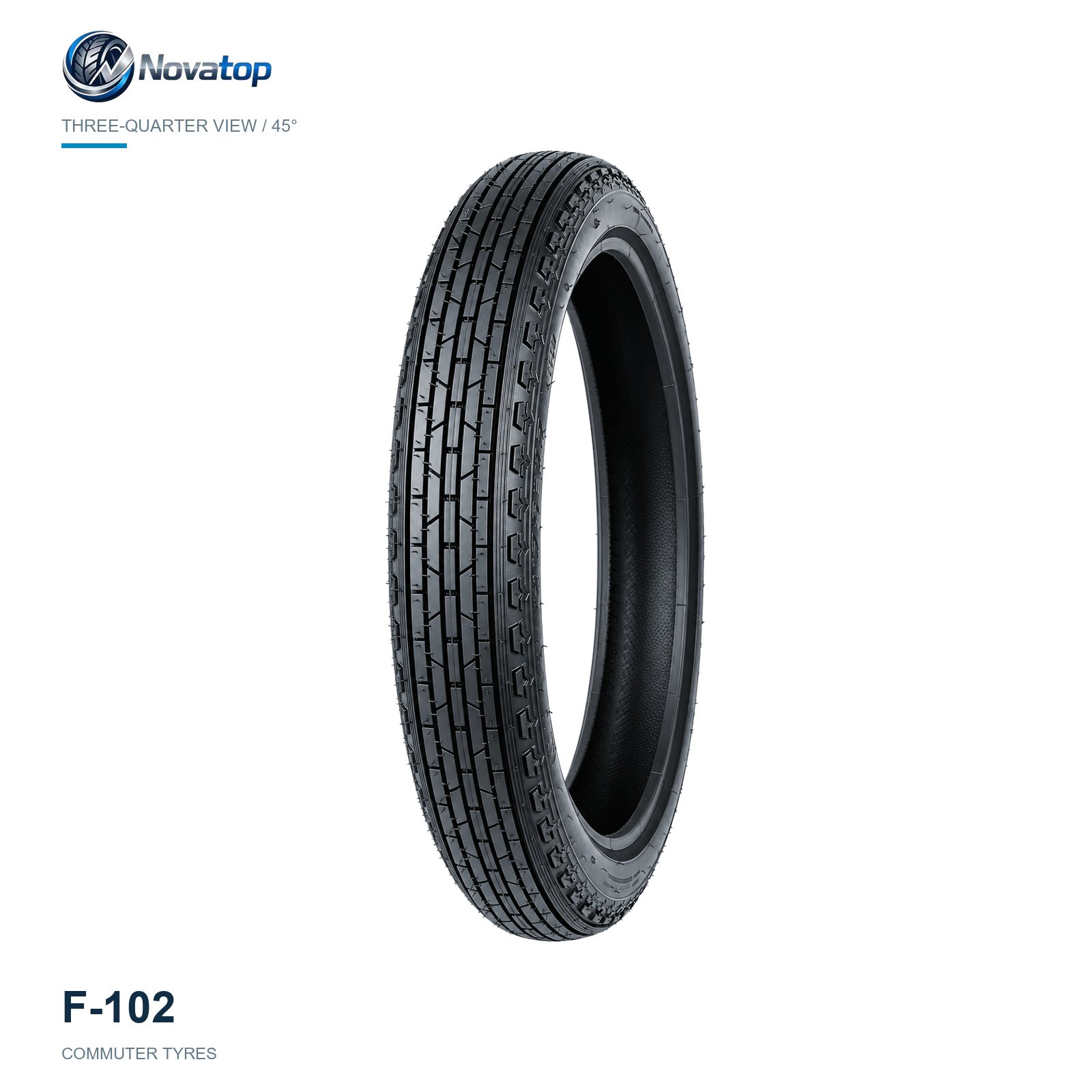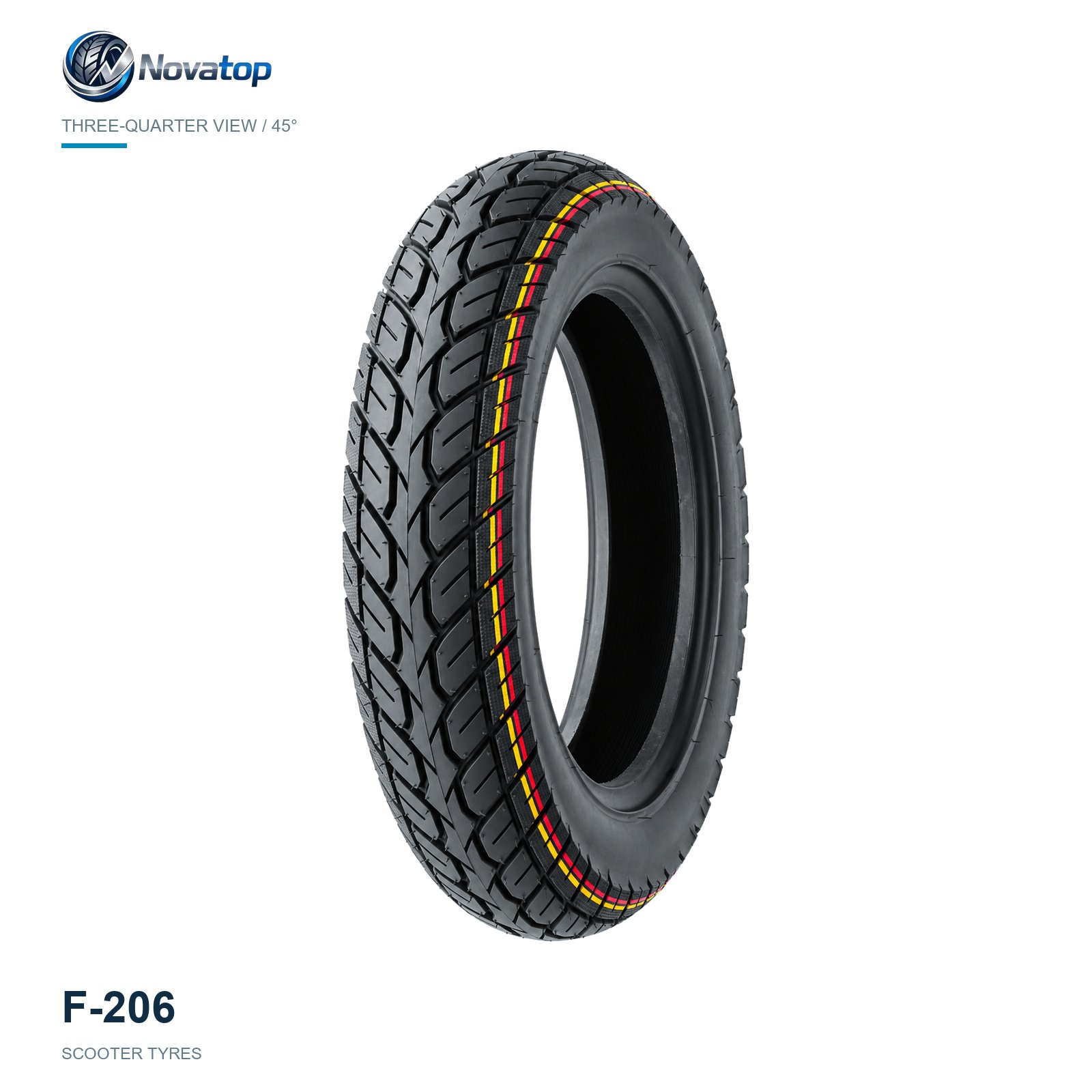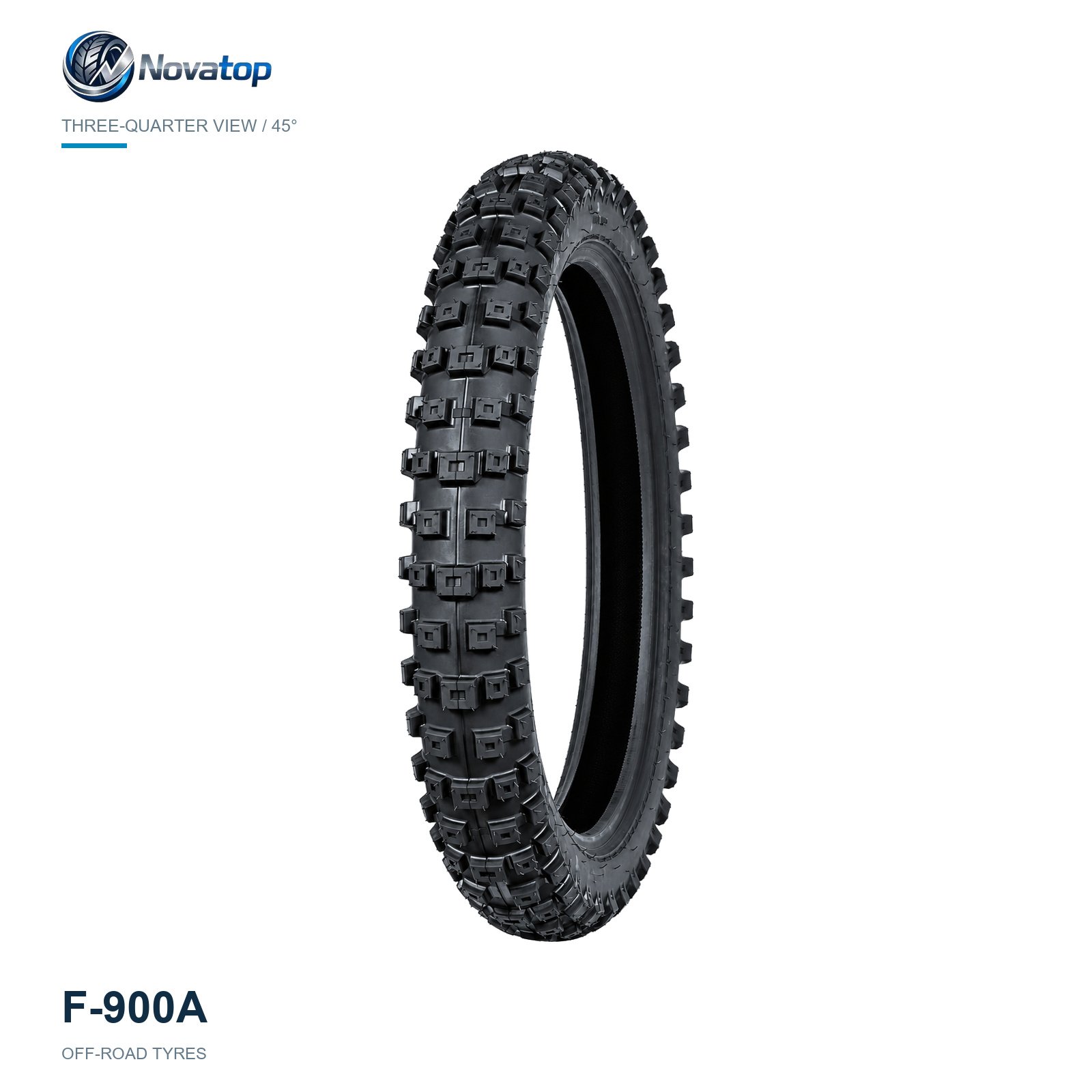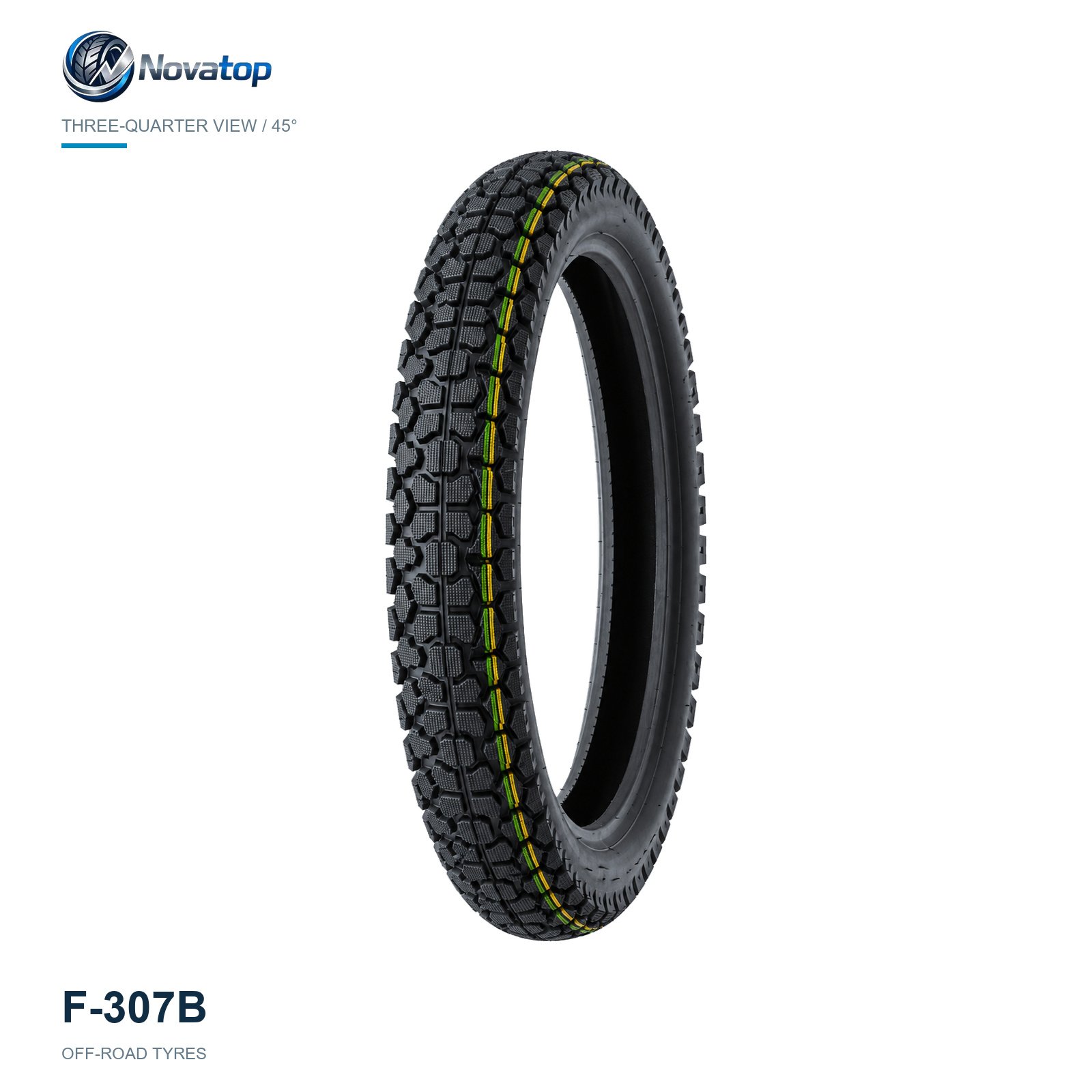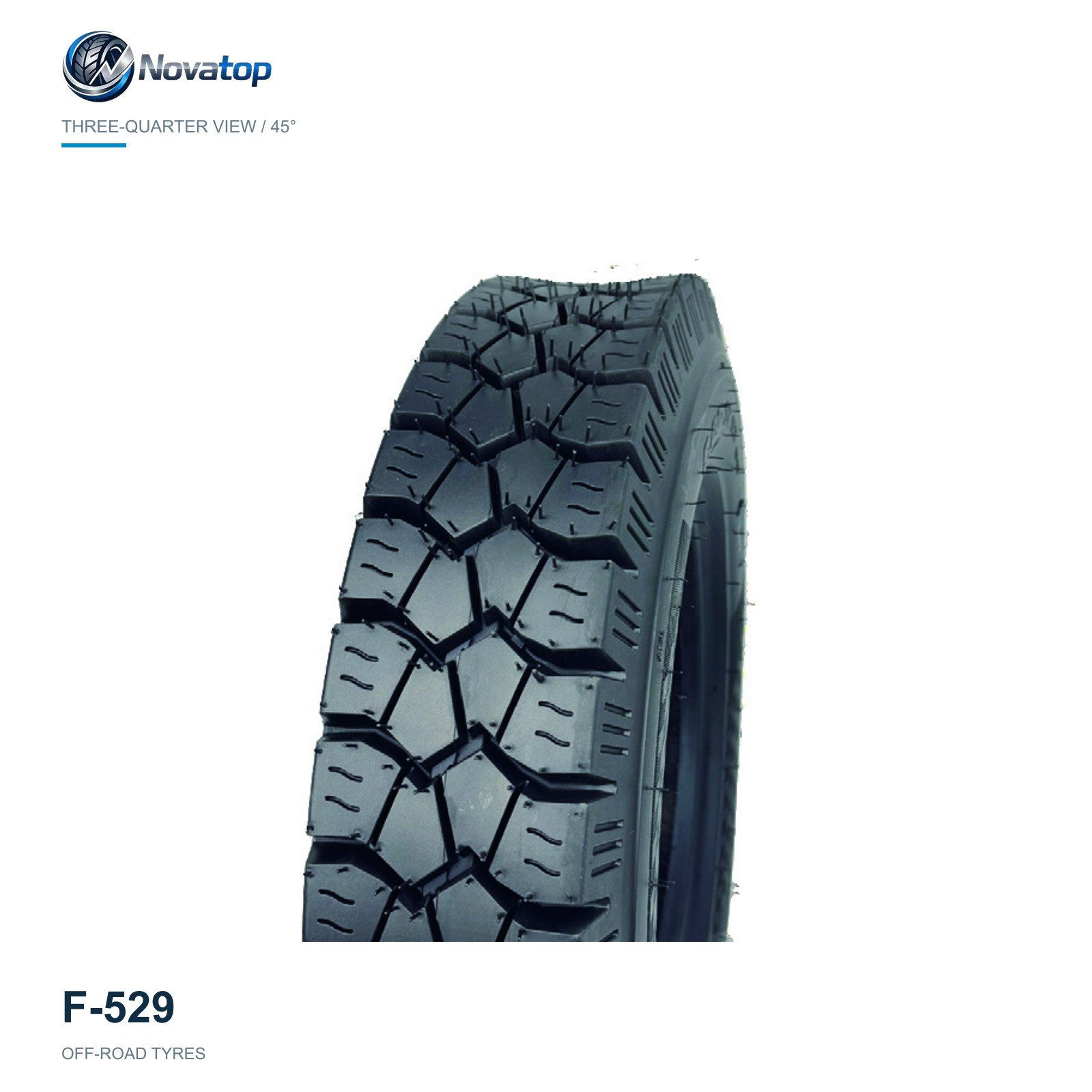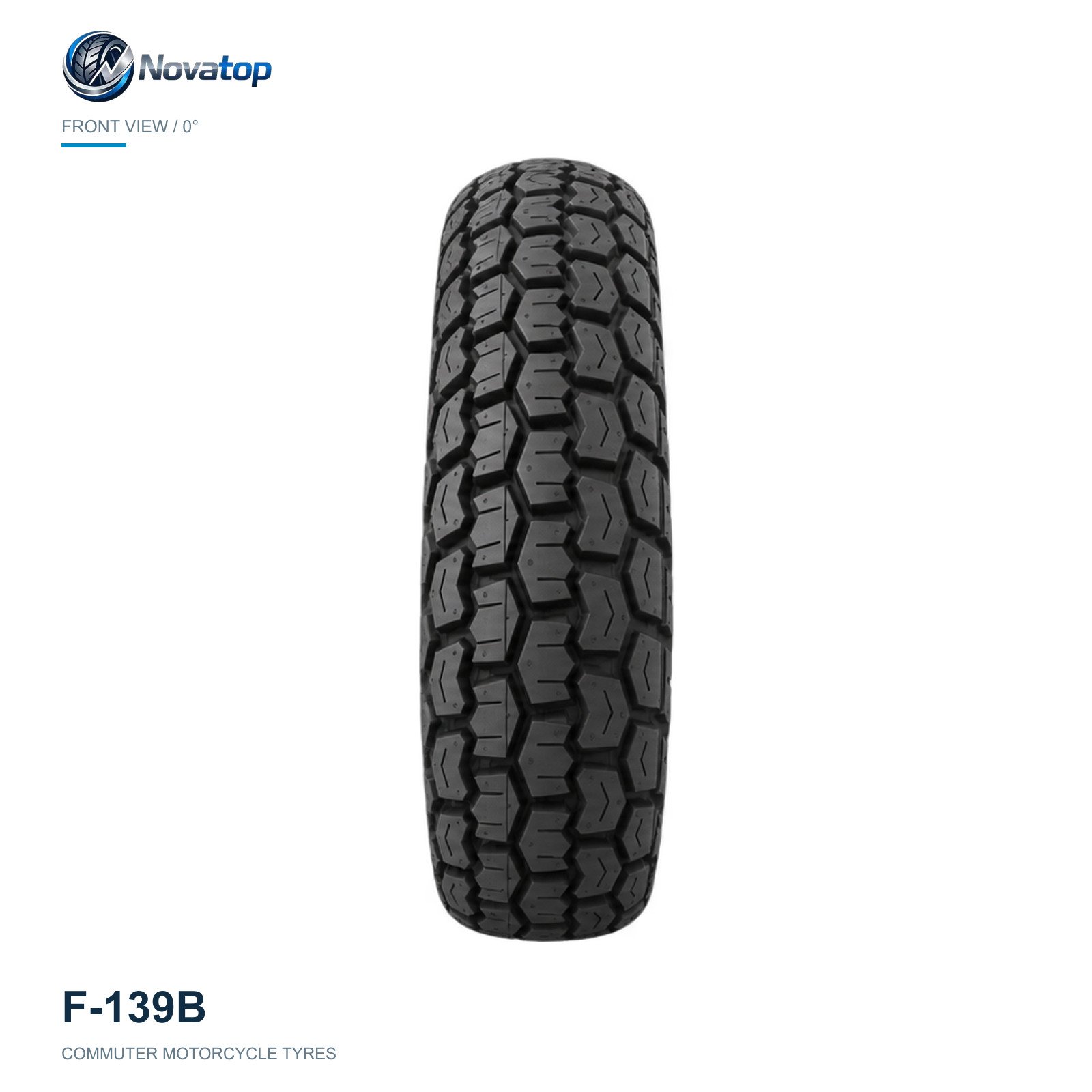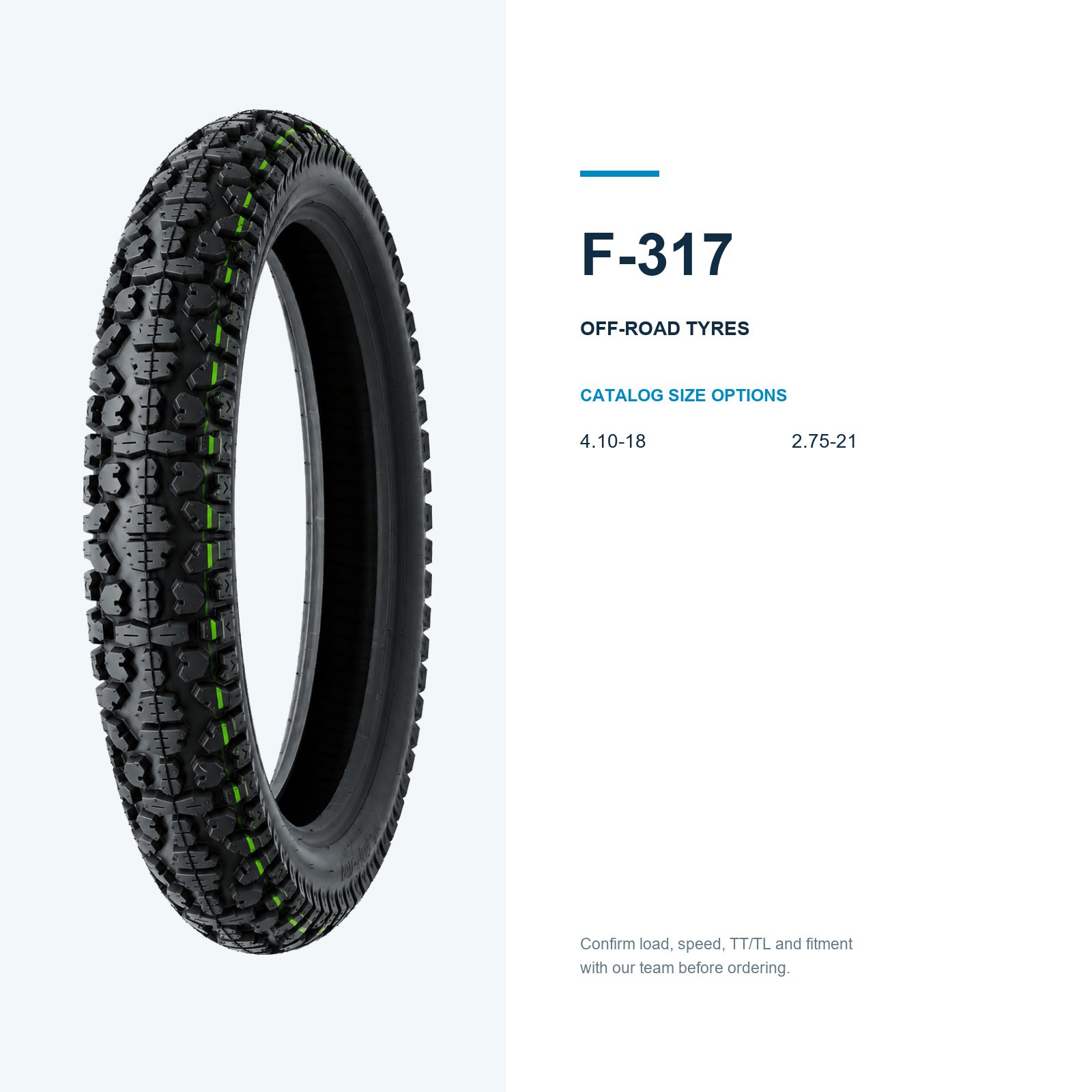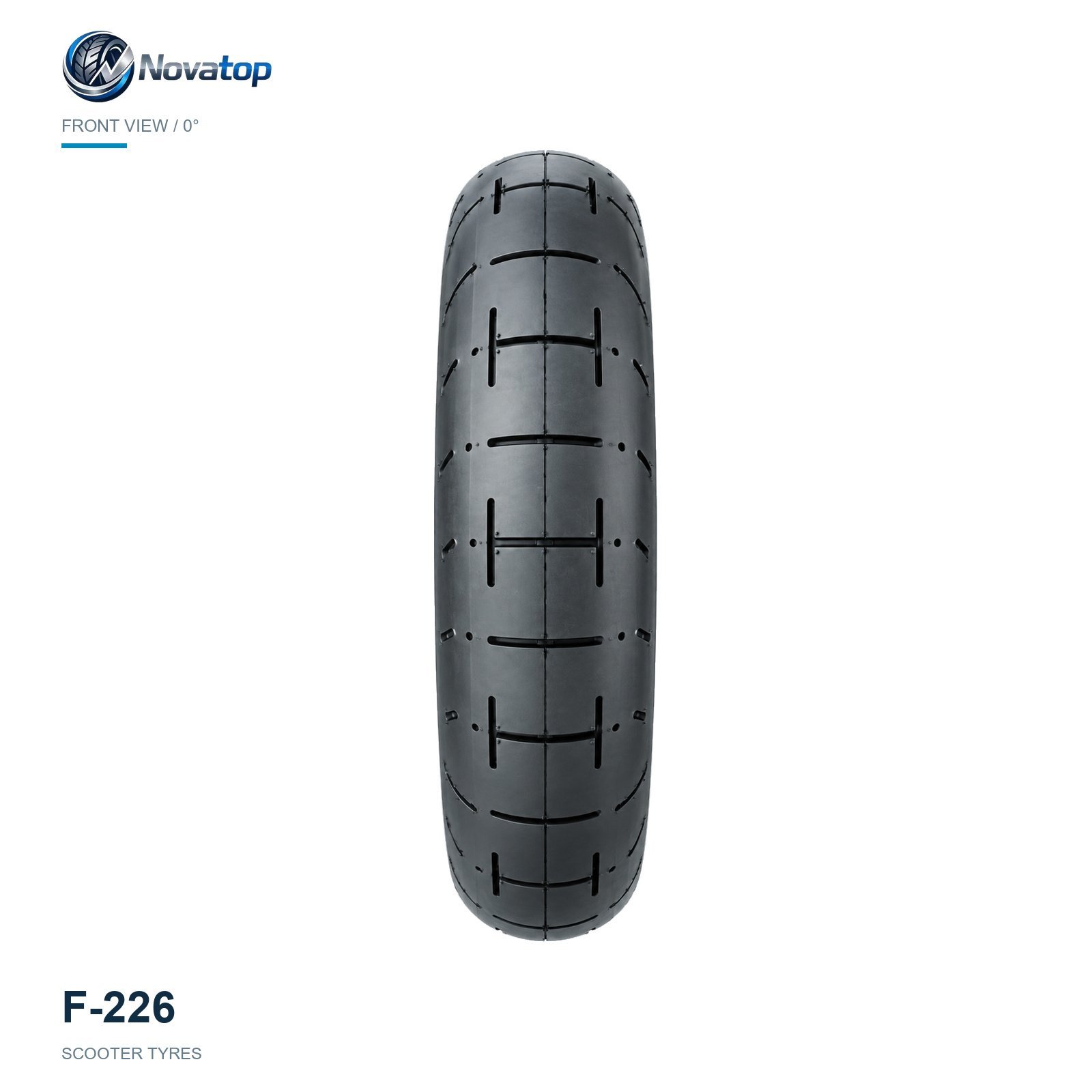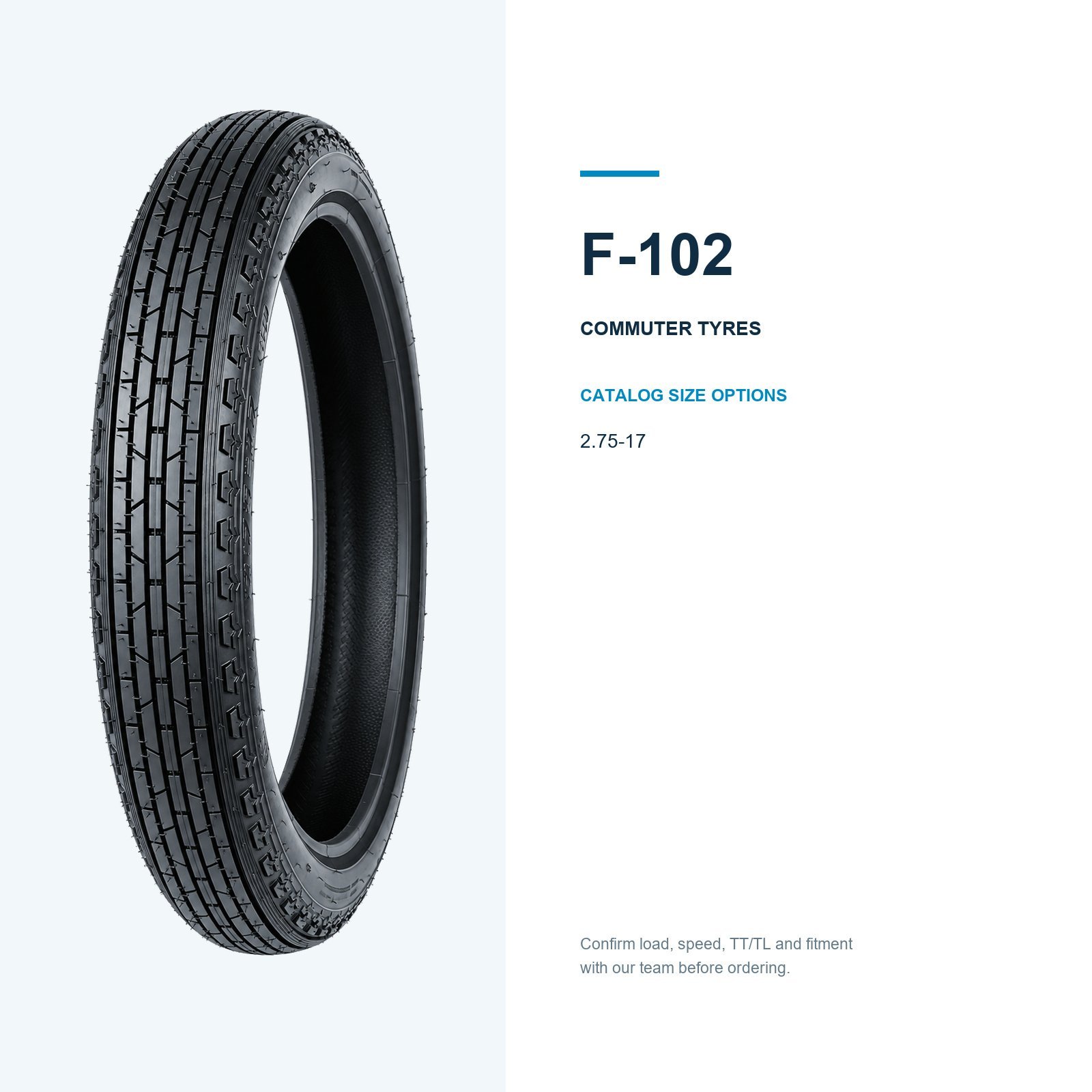
A motorcycle tyre packing list should let the buyer and supplier trace every shipped line back to the confirmed order. Keep the exact pattern code, complete size, quantity and agreed identification together. Before dispatch, reconcile the list with the latest order revision and ask for differences to be resolved in writing.
1. Keep a model-by-size order reference
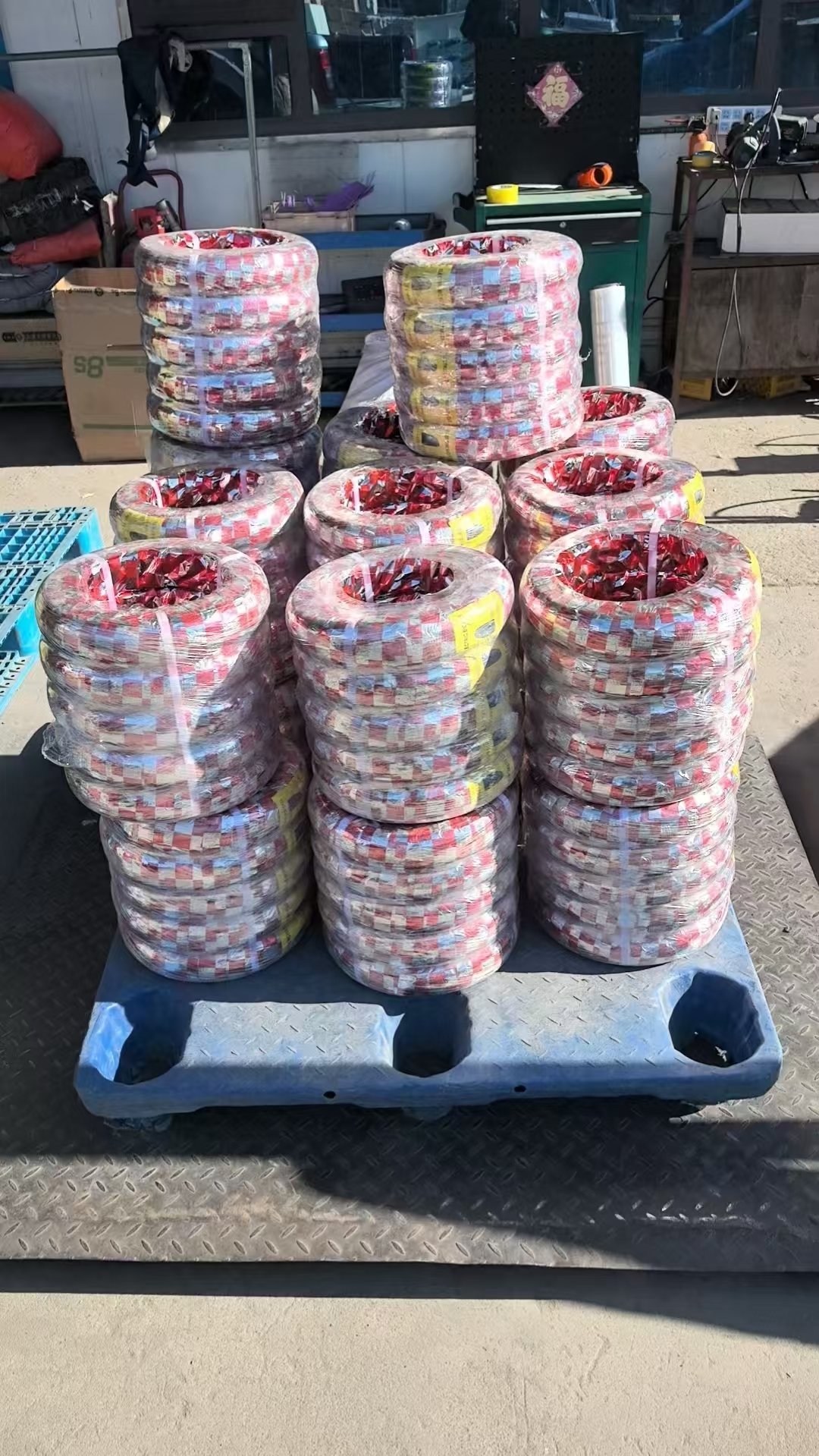
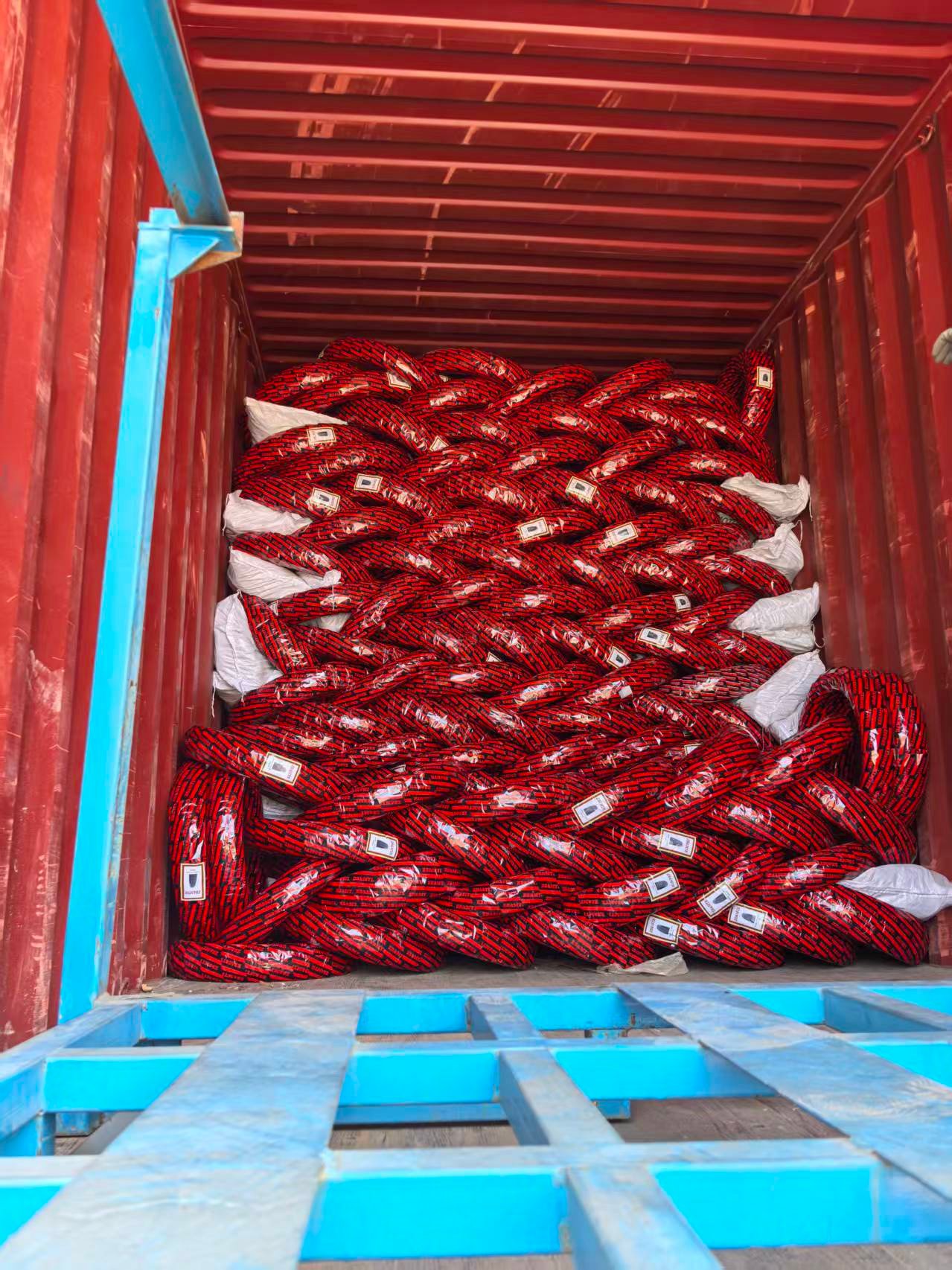
Give each model-and-size combination its own line reference. For a motorcycle tyre wholesale order, use the same references in the quotation, approved order and packing review. Record units clearly: tyre pieces, bundles, cartons and pallets describe different counts. Ask which packing units apply to the actual shipment rather than assuming a standard quantity per package.
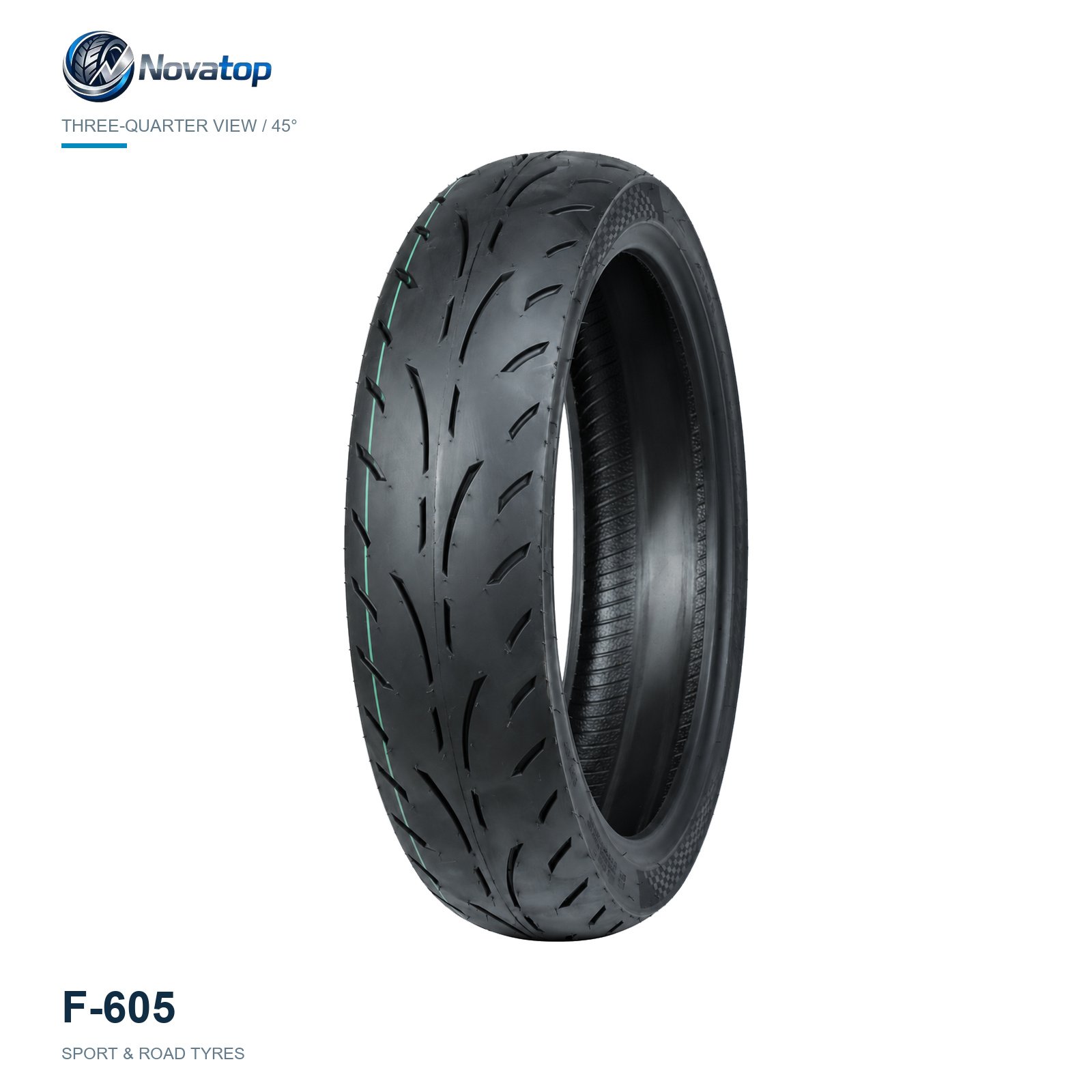
For example, keep F-605 and 130/70-17 on the same line. The 17-inch rim number alone does not identify that order line. Retain the full 130/70-17 designation and the selected pattern reference when reviewing the packing document.
2. Confirm packing and label requirements
Agree motorcycle tyre packing requirements before the final list is prepared. Specify the requested packing method, label language, model-and-size presentation and any buyer reference. Ask the motorcycle tyre supplier to confirm feasibility, costs and the sample or artwork approval needed. A packaging request is not a confirmed supply condition until the parties agree it.
If you need motorcycle tyre barcode packaging, provide the requested barcode format and the exact information to encode. Review a proof or test label against the order reference before approving it. Do not replace the original product marking with a buyer shorthand, and keep barcode artwork approval separate from confirmation of the tyre specification.
3. Reconcile a practical packing-list worksheet
Use a review sheet that compares the confirmed order with the proposed packing list. Keep requested values, supplier-confirmed values and open questions visible. Leave unknown weights or dimensions pending until the actual packing basis is available. Do not calculate a loading commitment from a catalogue photograph.
| Review field | Compare and retain |
|---|---|
| Product identity | Exact model and complete size against the approved order line. |
| Quantity and unit | Tyre pieces and the confirmed packing-unit counts; reconcile subtotals. |
| Package identification | Package references and agreed label or barcode proof. |
| Measured packing data | Supplier-confirmed weights and dimensions on the stated packing basis. |
| Revision and decision | Document date and revision plus differences and the agreed next action. |
4. Keep sizes and model suffixes distinct
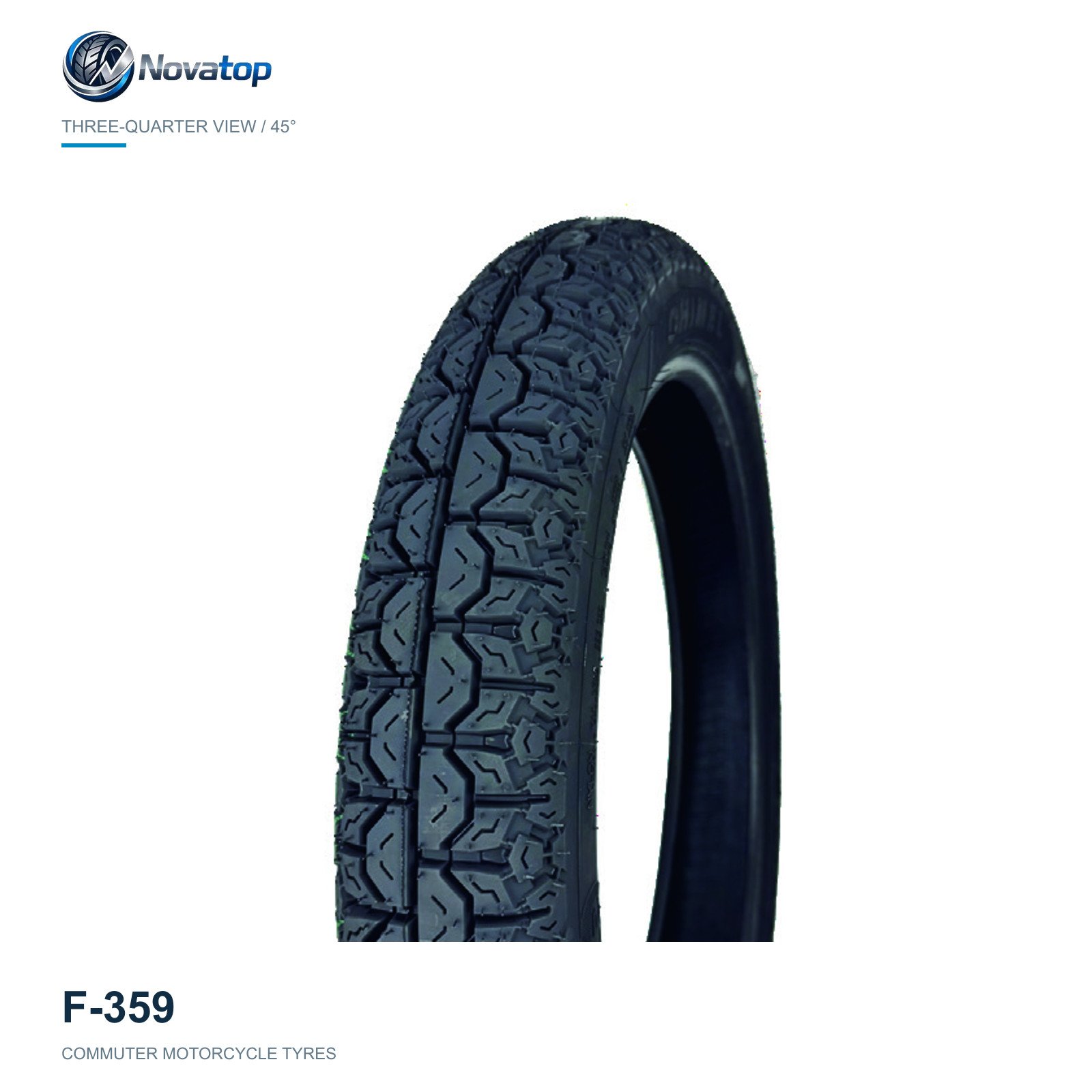
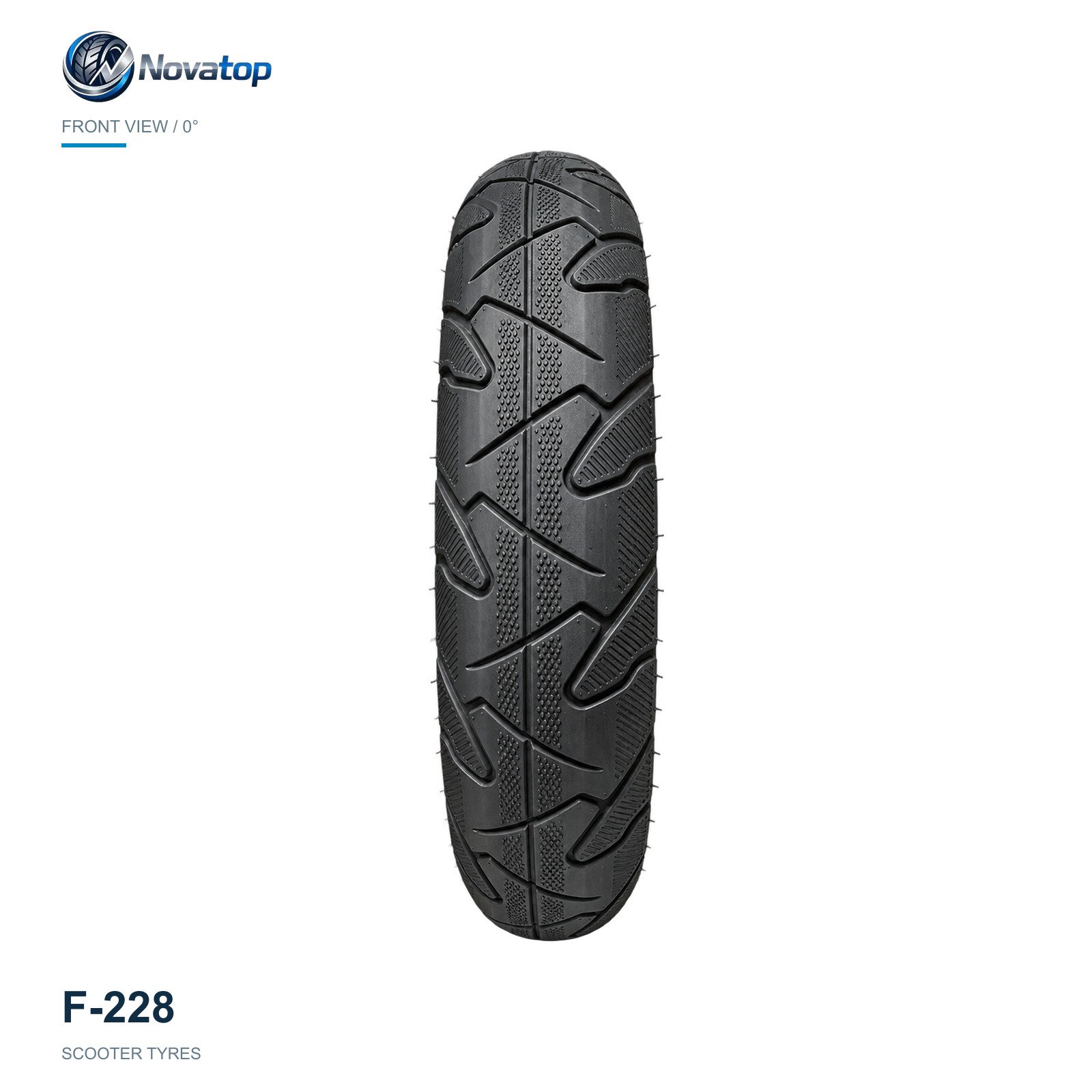
Keep F-359 3.25-17 as its own reference even when another item also uses a 17-inch rim. Likewise, F-228 3.50-10 and F-228A 90/90-12 remain separate model-and-size lines. A suffix or a shared part of the size code is not permission to merge or substitute an item. Record every agreed change explicitly.

5. Resolve differences before dispatch
If a quantity, package count, label or product reference differs, identify the affected line and the document revision. Ask for the corrected list or a written explanation, then record who agreed the next action. Keep earlier revisions for comparison. Treat unchecked rows as pending, and agree which unresolved points must be cleared before dispatch.
6. Send a packing review request with the order
Send NOVATOP your model-by-size quantity list, destination and packing preferences. Include any label artwork or barcode data for review. Ask the supplier to confirm the offered packing basis and remaining questions before a quotation or shipment decision; availability, charges and timing need agreement for the actual order.
A useful request is: “Please review our model-and-size list against your proposed packing list. Confirm tyre quantities and packing units, the required label proof, packing measurements and any differences from the agreed order revision.” Open a linked product to begin an enquiry with its model reference attached.